
Discovering the Cultural Heritage of Java
The island of Java is renowned for its rich cultural heritage, which represents a tapestry of historical influences and traditional practices. Among its most notable landmarks are the magnificent Borobudur and Prambanan temples, both of which are UNESCO World Heritage Sites. Borobudur, a 9th-century Mahayana Buddhist temple, is celebrated for its stunning architectural design and intricate relief panels that depict the life of Buddha. This temple not only serves as a place of worship but also symbolizes the height of Indonesian art and craftsmanship.
In proximity, Prambanan stands as a testament to the island’s Hindu heritage, built in the 10th century. This exquisite temple complex, dedicated to the Trimurti gods, is known for its towering structures and intricate stone carvings. Both temples not only embody the genius of historical architecture but also narrate stories of the island’s diverse religious practices and cultural interchanges over centuries.
Beyond these architectural wonders, cities such as Yogyakarta and Surabaya offer a vibrant glimpse into Javanese culture. Yogyakarta, often regarded as the cultural heart of Java, is a hub for traditional arts, including batik and wayang kulit (shadow puppetry). Visitors can partake in workshops to witness these time-honored crafts being created firsthand.
Meanwhile, Surabaya, the capital of East Java, presents an array of culinary delights that reflect the island’s diverse heritage. Sampling local dishes such as rawon, a flavorful beef soup, or rujak cingur, a unique salad, provides an immersive experience into the region’s gastronomic traditions. Through these cultural experiences, travelers can deeply appreciate the rich narratives that shape the identity of Java.
The Breathtaking Natural Wonders of Java
Java is renowned for its stunning natural landscapes, featuring a dynamic array of volcanoes, lush national parks, and captivating coastal regions. Among the most notable natural attractions are Tangkuban Perahu and Bromo Tengger Semeru National Park, both offering unique trekking experiences and panoramic viewpoints that highlight the island’s exceptional beauty.
Tangkuban Perahu is a dormant volcano located near Bandung. Its unique crater formations and steaming fumaroles make it an intriguing destination for both tourists and nature enthusiasts. Visitors can trek along designated paths to witness the breathtaking vistas from the summit, where they can experience an elevated perspective of the surrounding landscape. The area is also rich in biodiversity, showcasing numerous endemic plant species and an array of wildlife, thus making it ideal for eco-tourism.
Bromo Tengger Semeru National Park, home to the iconic Mount Bromo, is another highlight of Java’s natural wonders. This national park is characterized by its dramatic landscapes, including vast sea sand desert, active volcanoes, and lush hills. The park is famous for its magnificent sunrise views, which draw countless photographers eager to capture the ethereal beauty of the rising sun over Bromo. Trekking through the park offers opportunities to observe diverse ecosystems, including rare flora and fauna that thrive in this volcanic environment.
To make the most of your exploration in Java, it is recommended to engage in guided treks that enhance the experience, providing insight into the local ecology and culture. Additionally, for avid photographers, early morning excursions often yield the best light for capturing the breathtaking vistas. Emphasizing sustainable practices during visits contributes to preserving the pristine environments of these remarkable natural areas while supporting local communities and eco-tourism initiatives.
Paradise Awaits: Must-Visit Places in Bali
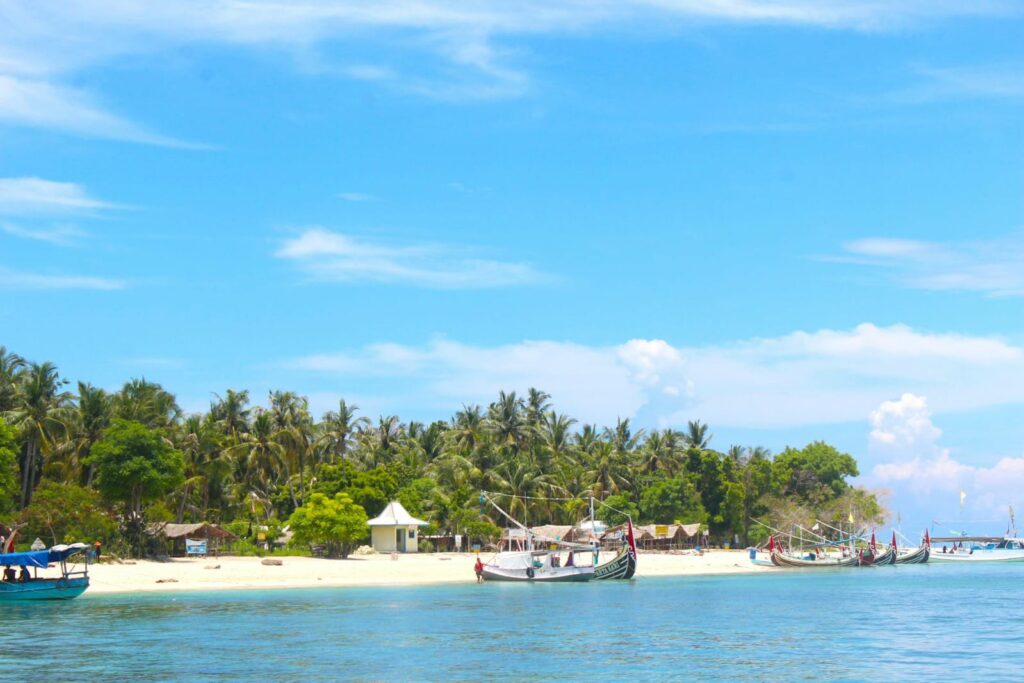
Bali, known as the Island of the Gods, is renowned for its stunning landscapes, vibrant culture, and diverse activities that cater to all types of travelers. One of the must-visit destinations in Bali is Kuta Beach, famous for its lively atmosphere, perfect waves for surfing, and breathtaking sunsets. The beach is surrounded by an array of beach clubs and bars, making it a hotspot for nightlife enthusiasts. A visit to Kuta is incomplete without exploring its bustling markets and savoring local street food.
Another gem in Bali is Seminyak, an upscale area known for its chic boutiques, luxury resorts, and fine dining experiences. The beach here offers a more tranquil setting for relaxation and sunbathing compared to Kuta. Tourists can also indulge in various water sports such as snorkeling and paddleboarding. For those seeking rejuvenation, Seminyak is home to numerous wellness retreats that provide holistic therapies and spa treatments.
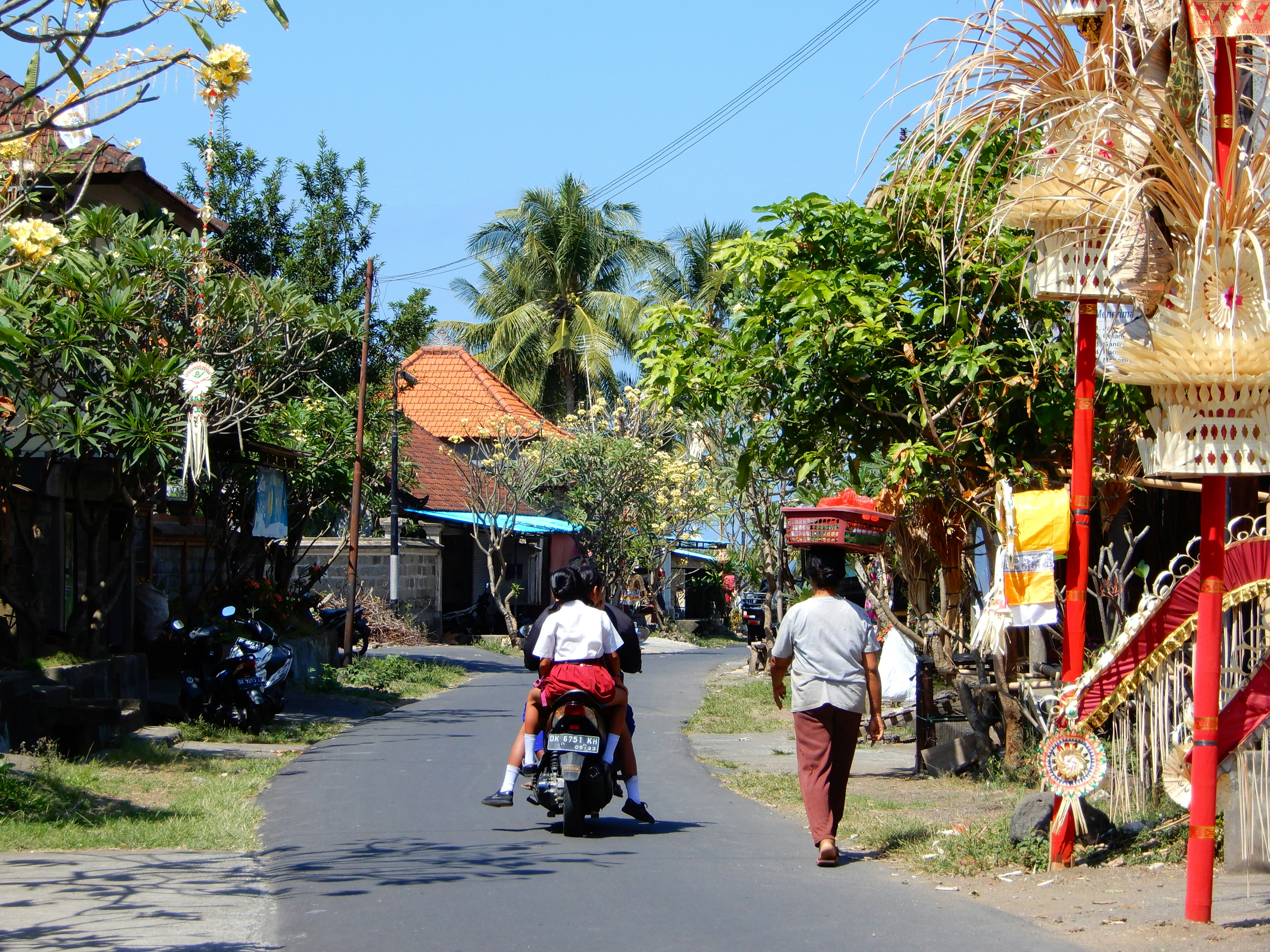
Beyond the beaches, the serene rice terraces of Ubud provide a glimpse of Bali’s natural beauty and cultural heritage. Here, visitors can embark on scenic walks through the terraced fields and visit local art galleries and craft markets. Ubud is renowned for its cultural festivals, showcasing traditional music, dance, and art throughout the year.
The culinary scene in Bali is equally impressive, with an abundance of local eateries ranging from authentic warungs (small family-owned restaurants) to high-end dining experiences. Kecak dance performances are often held near iconic landmarks, providing a unique cultural experience. Bali is truly a paradise, offering a harmonious blend of nature, culture, and adventure for every traveler.
Practical Travel Tips for Visiting Java and Bali
Visiting Java and Bali can be an enriching experience, but being well-prepared can help ensure that your journey is both enjoyable and smooth. One of the key considerations is timing your visit. The best months to explore these islands are generally from May to September when the weather is dry and pleasant, making outdoor activities such as hiking and sightseeing more enjoyable. However, be mindful that these months can also attract more tourists, so planning your accommodations accordingly is advisable.
Transportation options in Java and Bali are diverse. In urban areas, you can use public transportation like buses and trains, which are economical. Alternatively, ride-hailing apps such as Gojek and Grab are widely available and offer convenient rides. If you desire more freedom to explore at your own pace, consider renting a scooter; however, always ensure that you possess a valid international driver’s license. For inter-island travel, ferries and flights are prevalent, with numerous options available for travelers.
When it comes to accommodation, Java and Bali cater to a wide range of budgets from budget hostels to luxurious resorts. It’s advisable to book your stay in advance, particularly during peak seasons, to secure the best rates. Additionally, familiarize yourself with cultural etiquette. For example, when visiting temples, dress modestly and be respectful of local customs. Understanding and respecting these social norms fosters good relationships with the local communities.
Safety should also be a priority; avoid displaying valuables and be cautious when swimming in the ocean due to strong currents in certain areas. Lastly, show respect for the beautiful environment of Java and Bali by minimizing plastic waste, avoiding littering, and supporting local businesses. By keeping these travel tips in mind, you can better appreciate the unique offerings of Java and Bali and contribute positively to these vibrant islands.